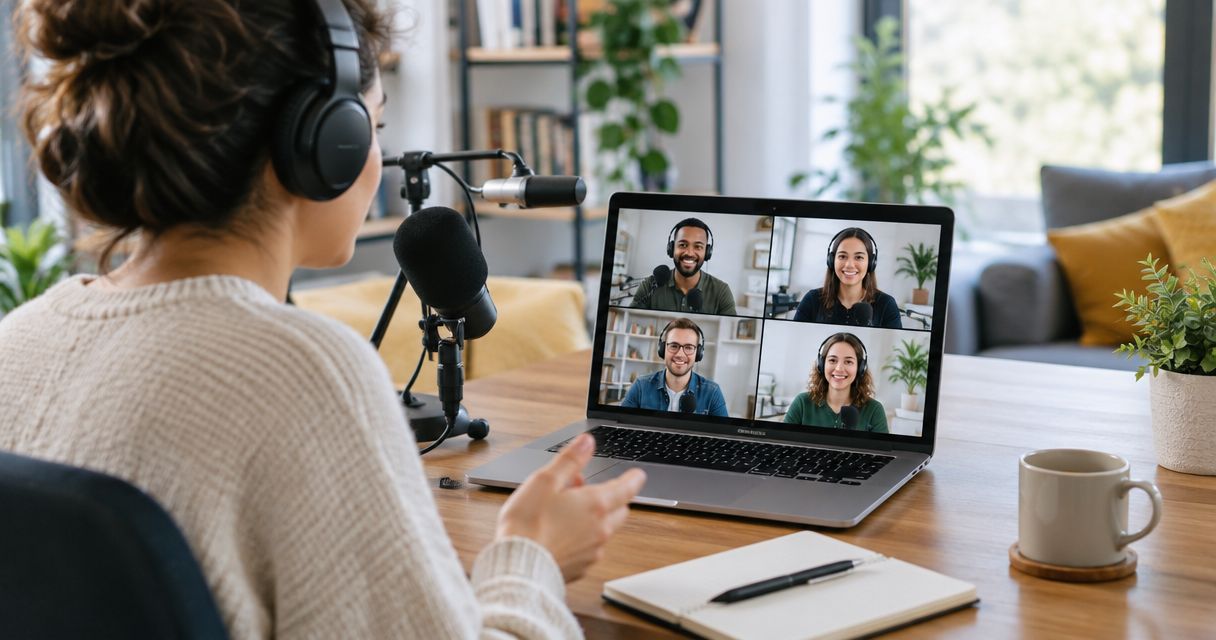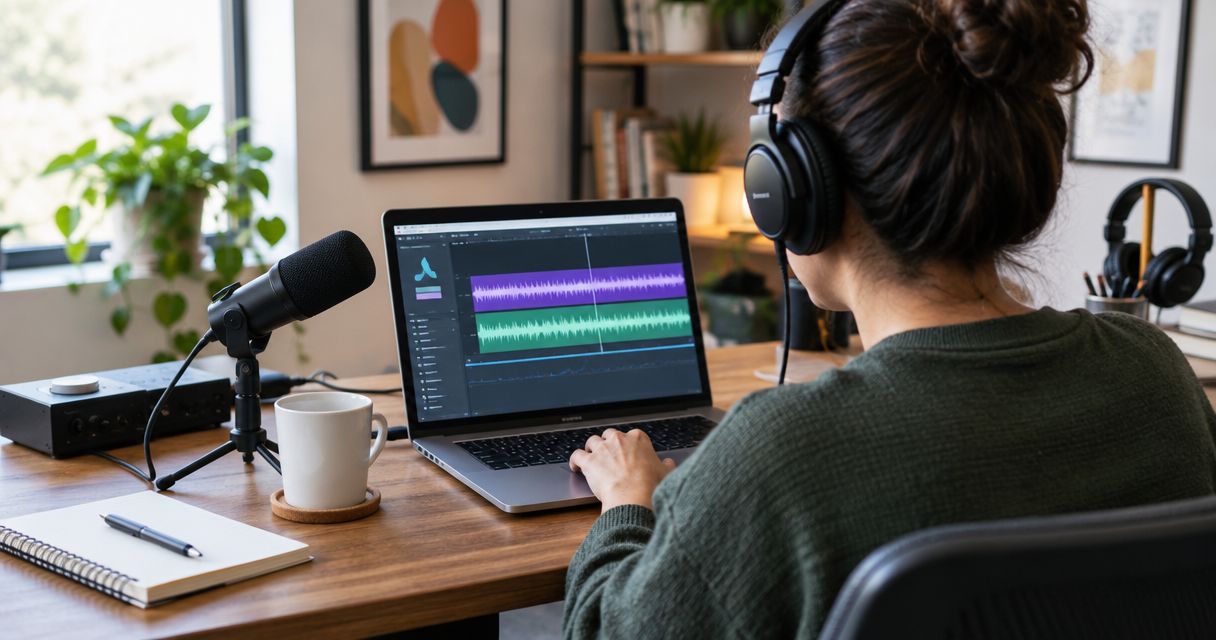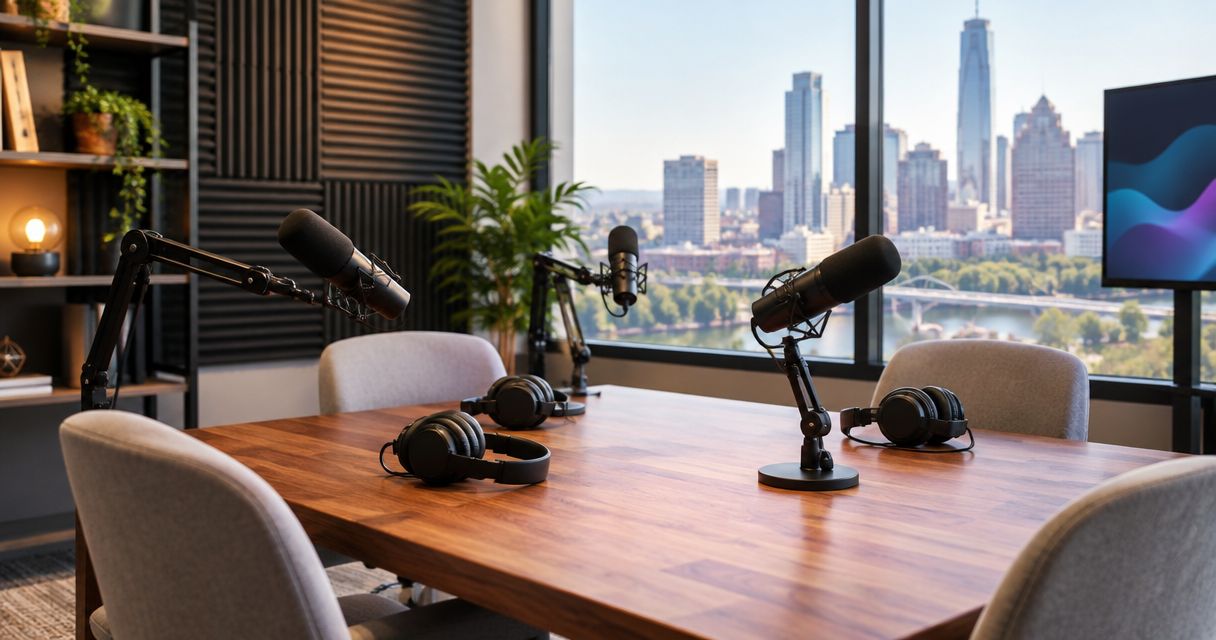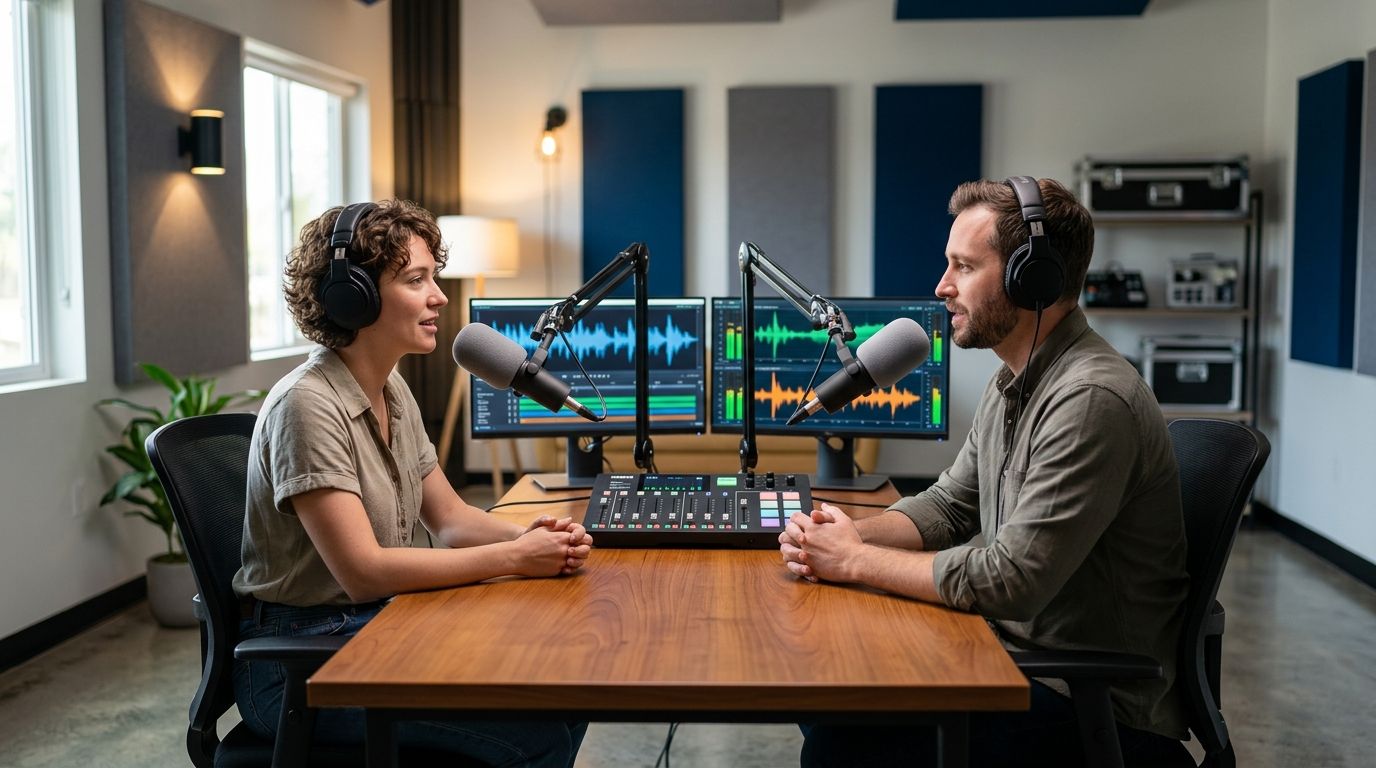
Ranking podcast studios by hourly rate only works if you rank by what drives the rate, not by a number that changes every quarter. The studios that win on cost per hour are the ones that strip out the biggest line item: a human crew. Automated one-button studios like JPR Studios sit at the top of that list because there's no producer, camera operator, or audio engineer billed into your session.
- Podcast studios ranked by hourly rate come down to one factor: how much paid labor is built into the hour.
- Automated one-button studios like JPR Studios cut cost per hour by removing crew, not by cutting camera quality.
- Producer-staffed full-service studios cost more per hour because you're paying for a person, not just a room.
- Peer-to-peer venue marketplaces list studio space by the hour but rates swing widely by city and amenities.
- Check current rates directly with each studio in 2026 before booking - this ranking compares pricing models, not published dollar figures.
Why this matters
Most podcast studio price pages don't tell you what you're actually paying for. A $150/hour room with a producer and a $150/hour room with nobody in it are not the same product, even at the same number.
In 2026, the fastest-growing category in podcast recording is the automated, no-crew model. JPR Studios runs one-button, three-camera setups across Austin, Atlanta, Dallas, Houston, Charlotte, and Phoenix, and that model exists specifically to strip labor cost out of the hourly rate. Understanding which pricing model you're buying into matters more than the sticker number, because the sticker number moves and the model doesn't.
This guide ranks studio types by what pushes their hourly rate up or down, not by a snapshot price that's stale by the time you read it.
What makes the best hourly rate
Before you compare any two studios, check these six variables. They explain almost every price gap you'll see.
- Crew cost baked in - a producer, camera operator, or audio engineer adds a labor line to every hour
- Equipment tier - single-camera setups cost less to run than three-camera multi-angle capture
- Booking minimum - some studios sell by the hour, others force a half-day or full-day block
- City and location - major metro studios carry higher overhead than secondary markets
- Editing and delivery - raw file handoff versus edited output changes what's included in the rate
- Consistency across locations - a single-city studio and a multi-city chain price differently for the same service tier
At a glance: podcast studios ranked by hourly rate model
| Studio type | Best for | Standout feature | Key limitation |
|---|---|---|---|
| Automated one-button studios (JPR Studios) | Solo hosts and businesses recording without a crew | Three-camera capture with Google Drive file delivery, no staff required | Available only in the cities where the studio operates |
| Producer-staffed full-service studios | Teams that need someone directing a multi-guest shoot live | A person in the room managing cameras, audio, and guest logistics | Labor cost is priced into every hour, even short sessions |
| Peer-to-peer venue marketplaces | One-off test recordings before committing to a regular studio | Wide selection of raw space listed by the hour, city by city | Equipment, acoustics, and support vary listing to listing |
| Coworking-style podcast studios | Hosts recording several times a month who want a fixed home base | Membership access bundled with other coworking amenities | Membership terms often outweigh the value for occasional recorders |
1. JPR Studios: best for recording without hiring a crew
JPR Studios runs automated, one-button, three-camera podcast studios in Austin, Atlanta, Dallas, Houston, Charlotte, and Phoenix. You walk in, press one button, and record. Files land in Google Drive after the session, no crew, no gear setup, no scheduling a camera operator around your calendar.
The pricing logic is direct: fewer people in the building means less labor cost baked into every hour. That's the structural reason automated studios like JPR Studios rank ahead of staffed rooms on cost per hour, independent of whatever the current published rate happens to be.
JPR Studios pros:
- One-button start with a fixed, repeatable three-camera setup
- No crew scheduling or coordination required before your session
- Files delivered via Google Drive after recording
- Multi-city footprint across six markets in 2026
JPR Studios cons:
- No on-site producer to manage multi-guest logistics in the room
- The three-camera setup is fixed, not customized per shoot
- Only available in the cities JPR Studios currently operates
Best for: solo hosts and businesses that want a repeatable recording setup without managing a crew.
Verdict: Buy if you record solo or with one or two guests and want the labor cost out of the hourly rate. Check the near-you studio listing to confirm current availability in your city.
2. Producer-staffed full-service studios: best for multi-guest shoots that need live direction
These are the traditional podcast studios where a producer runs the board, a camera operator adjusts angles, and someone is watching audio levels while you record. That staff presence is the entire value proposition, and it's also the entire reason the hourly rate runs higher.
If your show has four or more guests, a live-switched format, or a host who wants someone else making in-the-moment production calls, this model earns its cost. If you're recording solo, you're paying for labor you don't need.
Producer-staffed studio pros:
- Live production decisions made by someone other than the host
- Better suited to complex, multi-guest, multi-camera formats
- On-site troubleshooting if equipment issues come up mid-session
Producer-staffed studio cons:
- Labor cost is priced into every session, short or long
- Scheduling depends on staff availability, not just room availability
- Rates vary widely studio to studio with no standard structure
Best for: teams running multi-guest shows that need a producer directing the session in real time.
Verdict: Hold. Worth the higher hourly cost only if your format genuinely needs in-room production support.
3. Peer-to-peer venue marketplaces: best for testing before you commit
Marketplaces such as Peerspace list raw studio and creative space by the hour in most major cities. You're not booking a podcast-specific service, you're booking a room, and what's inside that room (cameras, mics, acoustic treatment) depends entirely on the listing.
This model works well as a first test before you commit to a regular studio relationship, because you can compare a dozen listings in one city without calling a single sales team.
Peer-to-peer marketplace pros:
- Wide selection of spaces listed by the hour, no membership required
- Easy to compare multiple listings in the same city side by side
- Useful for a one-time recording or pilot episode
Peer-to-peer marketplace cons:
- Equipment and acoustic quality vary listing to listing, with no standard
- No built-in support if a camera or mic fails mid-session
- Not built specifically for podcast recording workflows
Best for: a one-off test recording before you decide on a regular podcast studio.
Verdict: Wait. Fine for a single test episode, but rates and quality vary too much to build a recurring show around.
4. Coworking-style podcast studios: best for frequent recorders who want a home base
Some coworking spaces now bundle a podcast recording room into membership, either as an add-on or included amenity. You get consistent access to the same room, which matters if you're recording weekly, but you're often paying for the broader membership, not just the studio hour.
Coworking-style studio pros:
- Consistent access to the same room and setup every time
- Often bundled with other workspace amenities
- Predictable booking process for members
Coworking-style studio cons:
- Membership cost can outweigh the value if you record occasionally
- Room quality and camera setup vary by location
- Not designed specifically around podcast production
Best for: hosts recording multiple times a month who already work from a coworking space or want one.
Verdict: Skip if you record less than twice a month. Buy the membership only if the studio access replaces a workspace cost you already carry.
How we ranked these
Each type is ranked by what structurally drives its hourly rate: crew cost, equipment tier, and booking flexibility. Automated one-button studios rank highest on cost efficiency because they remove the single largest variable, staff labor. Producer-staffed studios rank lower on rate but higher on production support. Marketplaces and coworking spaces sit in between, priced by convenience and consistency rather than a fixed production model.
Book a three-camera studio session
One button, three cameras, files via Google Drive. Find your city.
Which podcast studio should you choose?
If you record solo or with one or two guests and want the lowest labor cost baked into your hourly rate, book an automated one-button studio like JPR Studios. If your show runs multi-guest, live-switched formats, a producer-staffed room earns its higher rate. Test a peer-to-peer marketplace listing first if you've never recorded on video before, and only consider a coworking membership if you're already recording weekly and already pay for the workspace.
FAQ
What's the best way to compare podcast studios ranked by hourly rate?
Compare pricing models first, not published numbers. A crewed studio and an automated no-crew studio at the same listed rate are not the same product because one includes staff labor and the other doesn't.
Is an automated podcast studio cheaper than a producer-staffed one?
Automated one-button studios like JPR Studios typically cost less per hour because there's no crew salary built into the rate. Producer-staffed studios cost more because you're paying for a person managing the session, not just the room.
How much does it cost to rent a podcast studio in 2026?
Rates vary by city, equipment tier, and whether a crew is included, so check current pricing directly with each studio before booking. The gap between an automated room and a staffed room usually comes down to labor cost, not equipment.
Do peer-to-peer marketplaces work for podcast recording?
They work for a one-off test episode, since sites like Peerspace list studio space by the hour across most major cities. Quality varies listing to listing because the space wasn't built specifically for podcast production.
What cities does JPR Studios operate in?
JPR Studios runs automated, one-button, three-camera podcast studios in Austin, Atlanta, Dallas, Houston, Charlotte, and Phoenix as of 2026.
Do I need a producer to record a podcast?
No. A one-button automated studio handles camera and recording setup without a producer in the room, which is why that model typically has a lower hourly rate than a staffed studio.
What's included when you book an automated studio?
At JPR Studios, you get a three-camera setup you start yourself with one button, and your files are delivered through Google Drive after the session.
One last thing
The biggest pricing mistake podcasters make in 2026 isn't picking the wrong studio, it's comparing an hourly rate without asking what's included in that hour. A crewed studio and a no-crew studio quoting the same number are not competing on price, they're selling two different products. Ask what's staffed before you ask what it costs.